Test Results
Image and video model evaluations across all three HighVis rendering forks.
Cross-Fork Status
Where each rendering fork stands as of 6 May 2026.
| Classic | Hybrid | Local | |
|---|---|---|---|
| Status | Active — quality benchmark | Dormant — waiting on API access | Active — pipeline confirmed, quality tuning |
| Image Model | Nano Banana Pro (proprietary) | Same as Classic (via Robin's infra) | Nano Banana Pro (proprietary — open-source alternatives tested and rejected) |
| Video Model | Kling o1, Seedance 2.0, Luma, Wan | Same models via abstraction layer | LTX-2.3 22B + HDR IC-LoRA (confirmed working) |
| Cost per shot | ~$1.00-1.22 | TBD | $0.00 (GPU rental only) |
| Output format | 8-bit MP4 | TBD | 16-bit HDR EXR (planned) |
| Tests run | 8 | 0 | 18 (3 image eval + 15 parameter tuning runs) |
| Key finding | Camera motion preserved (F1) | — | Pipeline working — motion and style are separate controls (F-LC-007) |
Image Model Evaluation — 30 April 2026
Local fork testing: can an open-source image model match the quality of the proprietary Nano Banana Pro used by Classic?
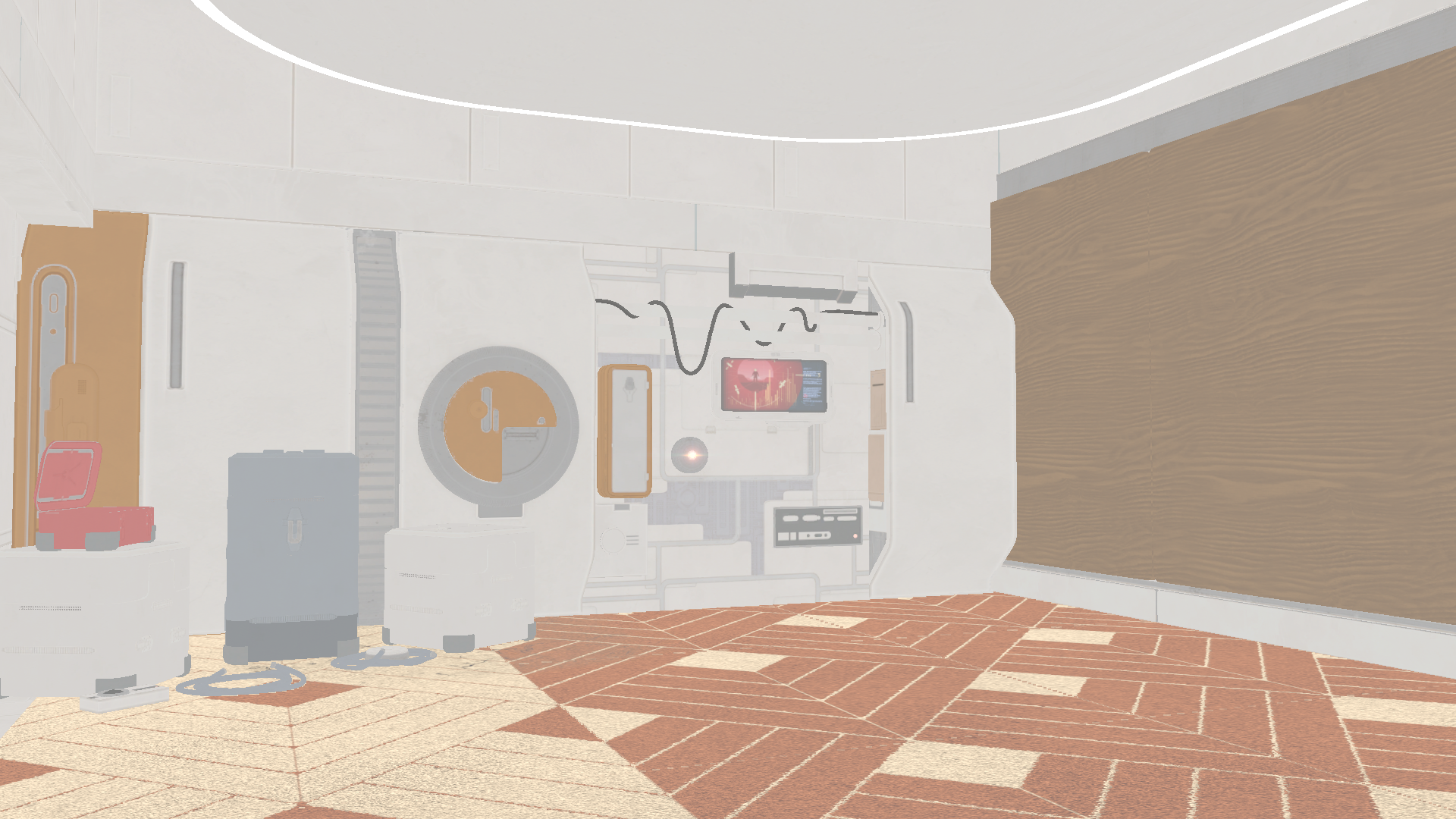
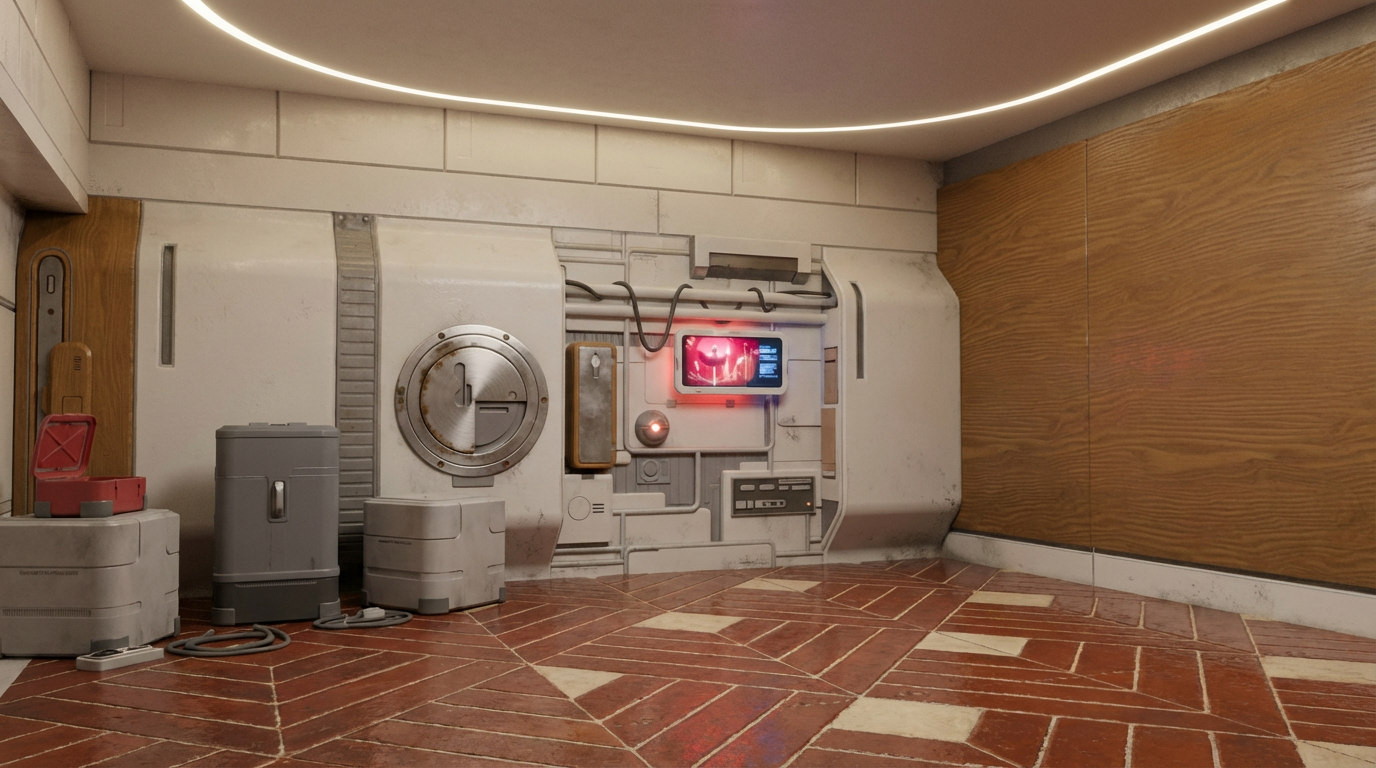


Z-Image rejected. Next up: Flux Dev with depth-guided generation — instead of asking the AI to copy pixels from the source (which degrades as you give it more creative freedom), we extract the 3D depth structure from the source frame and use that as a guide. The AI gets full creative freedom on textures and lighting while the depth map locks the composition in place.
Local Fork — Parameter Tuning Dataset (6 May 2026)
15 runs on the Spaceship scene, varying sigma schedule, CFG, and LoRA strength to find the best balance of motion preservation and style transfer. Every run uses the same pipeline: source video restyled by Nano Banana, upscaled by 4x-UltraSharp, then rendered by LTX 2.3 22B on an RTX 5090. Click any video to play.
F-LC-007: Motion and style are controlled by separate settings. The noise schedule (sigmas) controls how much the AI changes the camera move. CFG and prompts control how strongly the new look is applied. You can lock one without affecting the other.
F-LC-008: The restyled look fades over time. The AI uses a single reference image (the restyled first frame) to guide the entire clip. Style is strongest at the start and drops to about 60% after the first second.
F-LC-009: Proposed fix: split the video into 2–3 second chunks, generate a fresh reference for each chunk, restyle each chunk independently. Planned as the V6 workflow.
Classic Fork Results
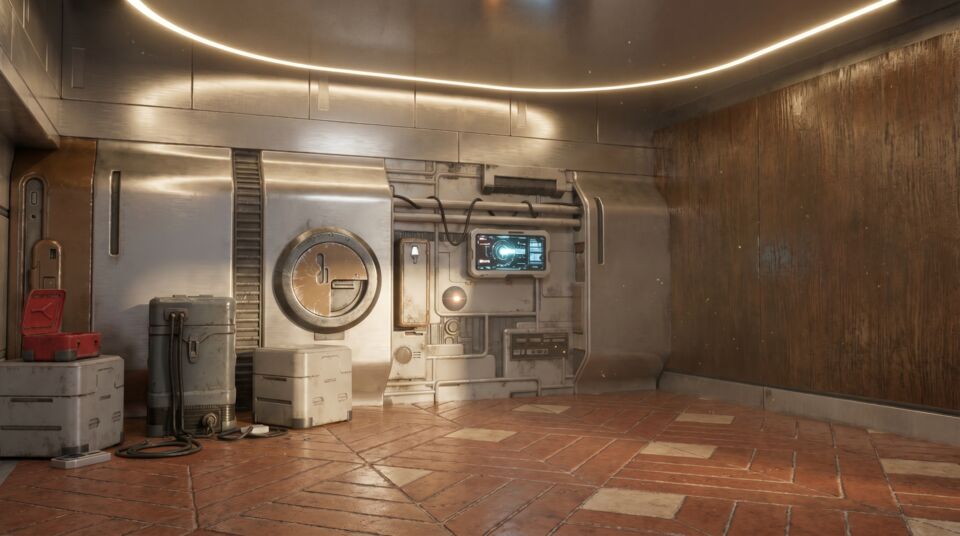
Filterable test grid for the Classic rendering fork. Click any card to compare source vs output.